Summary:
• Routine exams and cleanings from a dentist in Fridley MN help catch cavities, gum disease, and enamel wear before they require costly treatment.
• Preventive dentistry combines professional cleanings, fluoride care, and patient education to reduce the risk of tooth loss and infection.
• Early detection of decay or gum inflammation typically means simpler, less invasive treatment options.
Most dental problems that lead to pain, tooth loss, or expensive procedures start small and grow worse without regular checkups. Scheduling consistent visits with a dentist in Fridley, MN is one of the most reliable ways to catch these issues early, before they turn into emergencies.
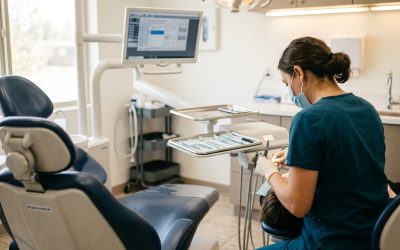
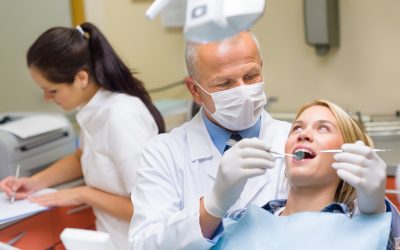
Preventive dental visits typically include an oral exam, professional cleaning, and a review of any changes in the mouth since the last appointment. Parkside Dental PC, a New Brighton-based practice serving Fridley and nearby Minnesota communities, builds its care model around this kind of routine attention. The practice notes that general and family dentistry form the foundation of care, with preventive visits, exams, and cleanings helping patients maintain healthy smiles over time.
Tooth Decay and Cavities
Cavities remain one of the most common dental problems, and they rarely announce themselves until damage has already occurred. Left untreated, decay can spread into the tooth’s inner pulp and require more invasive work.
Regular cleanings and exams help interrupt this process before it advances:
• Plaque and tartar buildup are removed before they erode enamel
• Early-stage decay can often be treated with a simple filling instead of a more involved procedure
• X-rays can reveal decay between teeth that is not visible during a visual exam
According to the CDC’s Division of Oral Health, community-level prevention measures such as fluoride varnish and sealant programs are effective tools for reducing cavity risk, particularly for children and adolescents. A dental office visit extends that same preventive logic to individualized, ongoing care.
Gum Disease and Infection
Gum disease often develops quietly, with early symptoms limited to slight bleeding or tenderness that many people dismiss. Without intervention, it can progress to a stage that affects the bone supporting the teeth.
Preventive dental care addresses this risk through:
• Removal of plaque along and below the gumline during cleanings
• Early identification of inflammation or pocketing around teeth
• Guidance on brushing and flossing techniques that reduce bacterial buildup at home
Practices in the area, including Parkside Dental, list gum disease treatment among the services available to patients, reflecting how closely prevention and treatment are linked in day-to-day dental care.
Tooth Pain From Untreated Decay or Infection
When decay or infection is allowed to progress without a checkup, the result is often the kind of pain that sends patients looking for urgent care. Root canal therapy becomes necessary at this stage to save the tooth rather than extract it.
As one practice resource explains, the purpose of a root canal is to clean the pulp from inside of the tooth to remove infection-causing bacteria. Catching decay during a routine exam, well before it reaches the pulp, is what allows most patients to avoid this level of treatment altogether. Having a root canal as early as possible can help prevent further damage in the future, which also helps to keep costs at a minimum.
Tooth Loss and the Need for Replacement
Untreated decay, advanced gum disease, or injury can eventually lead to tooth loss, which affects both function and appearance. Missing one or multiple teeth can make it more difficult to chew or speak, and may put the health of your smile at risk.
The table below outlines common replacement paths patients consider once a tooth cannot be saved.
|
Option |
Best For |
Key Consideration |
|
Dental Implant |
Replacing one or multiple missing teeth |
Uses a titanium post surgically implanted into the jaw bone to anchor a permanent dental crown |
|
Dental Bridge |
Replacing one or a few missing teeth |
May be used to replace one or multiple missing teeth using surrounding teeth as supports for dental crowns |
|
Denture |
Replacing a full arch of teeth |
A removable base sits on top of the gums to support an arch, or row, of teeth |
Preventing this stage entirely is the goal of routine dental visits. Once a tooth is lost, restoring it typically involves more time, cost, and healing than any preventive step would have required.
Frequently Asked Questions
How often should I see a dentist to prevent problems? Most general dentistry practices recommend a checkup and cleaning roughly twice a year, though patients with gum disease or high cavity risk may need more frequent visits.
Can gum disease be reversed if caught early? Early-stage gum inflammation can often be managed with improved home care and professional cleanings, which is why routine exams matter.
What happens if I skip regular dental visits? Decay and gum disease can progress without symptoms until they cause pain, infection, or tooth loss, often requiring more complex and costly treatment.
Does sedation help nervous patients get preventive care? Some practices, including Parkside Dental, note that for patients who experience dental fear, sedation dentistry can be offered during procedures, which can make routine visits more manageable for anxious patients.
Preventing dental problems comes down to consistency: regular exams, professional cleanings, and prompt attention to small changes in the mouth. For residents of Fridley and the surrounding area, Parkside Dental PC offers a local option for building that kind of routine care into a manageable schedule, helping reduce the likelihood of pain, infection, or tooth loss down the road.